The Person Behind the Register Knows More About Comics Than Most Reviewers

Photo: תנין-אוטובוס, CC0, via Wikimedia Commons
Every comic fan has one: the clerk who changed their reading life. Maybe it was the person at your local shop who slid the first trade of Saga across the counter and said, "Trust me on this." Maybe it was the owner who kept a dog-eared copy of something obscure behind the register specifically for customers who said they'd "read everything."
These people are the most influential critics in comics, and almost nobody outside the industry knows their names.
The Hand-Sell Is the Real Review
A written review reaches thousands of readers, theoretically. A hand-sell reaches one person at a time, but with something no review can offer: context about you. A good clerk knows you loved Preacher but bounced off The Boys. They know you're caught up on indie crime but allergic to cape books. So when they say "this new series from Image is basically what you wish Scalped had been," that recommendation carries the weight of a hundred prior conversations.
That's not criticism in the traditional sense. It's curation, yes, but it's also something closer to mentorship. And unlike a review, it happens at the exact moment a purchase decision is being made — which is why hand-sold books move in a way that reviewed books often don't.
Publishers know this. Ask anyone who works in comic retail and they'll tell you about the sales rep calls, the advance copies, the convention dinners where publishers court the owners of influential shops. A store that champions a title can keep it alive long past the point where the numbers said it should die.
Pull Lists: Fandom With a Memory
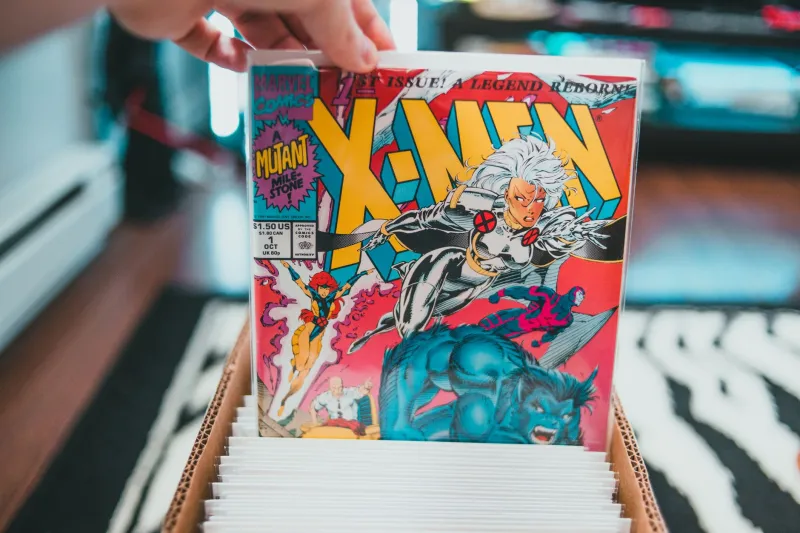
The pull list might be the most underrated institution in American comics culture. It's a subscription model built on a handshake — you tell the shop what you want, they set it aside, and every week there's a stack with your name on it.
But here's what makes it special: the list is a living document of your taste, maintained by someone who sees it. Good clerks read those lists like tea leaves. They notice when you dropped a book. They notice when you added something new. And they use that information to make the next recommendation sharper than the last.
There's no algorithm on earth that does this as well. Your streaming service knows what you watched; your shop clerk knows what you abandoned and why — because you told them, at the counter, in a conversation that lasted four minutes and changed what you'd read for the next year.
When a Clerk Makes a Classic
Comics history is full of titles that survived on retail love. Bone built its audience through years of shop owners putting the first collection into kids' hands. Strangers in Paradise was famously a hand-sell phenomenon — Terry Moore's series grew store by store, reader by reader, long before any best-of list noticed it. More recently, books like Monster, Something Is Killing the Children, and countless indie debuts have gotten their crucial early oxygen from clerks who read the first issue, loved it, and wouldn't shut up about it.
The reverse is also true. Plenty of big-publisher books have quietly died at retail because the people selling them didn't believe in them. A clerk's shrug is a review with real consequences.
The Knowledge Gap Nobody Talks About
Here's the uncomfortable part: the industry depends on these tastemakers while doing surprisingly little to support them. Retailers get deep discounts, sure, but early access to new talent, affordable convention travel, and genuine input on what gets published? That's rarer than it should be.
The best shops have always functioned as a feedback loop — publishers learn what readers actually want from the people talking to readers every single day. When that loop works, you get more of the weird, personal, mid-list comics that make this medium worth caring about. When it breaks, you get event fatigue and shelf-loads of unsold variants.
Find Your Person
If you're lucky, you already have a clerk like this. If you don't, go find one. Walk into a shop, tell the person behind the counter the last three comics you loved, and ask what you should read next. Then actually listen.
The best critic you're not reading isn't writing a newsletter. They're working Tuesday through Saturday, restocking the backlist wall, and waiting for you to ask.