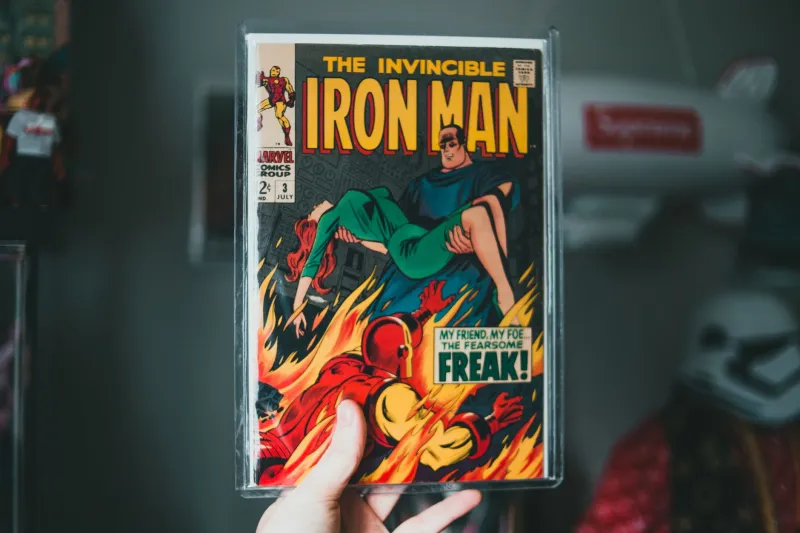
No Publisher? No Problem: How Comic Fans Are Building Empires One Episode at a Time
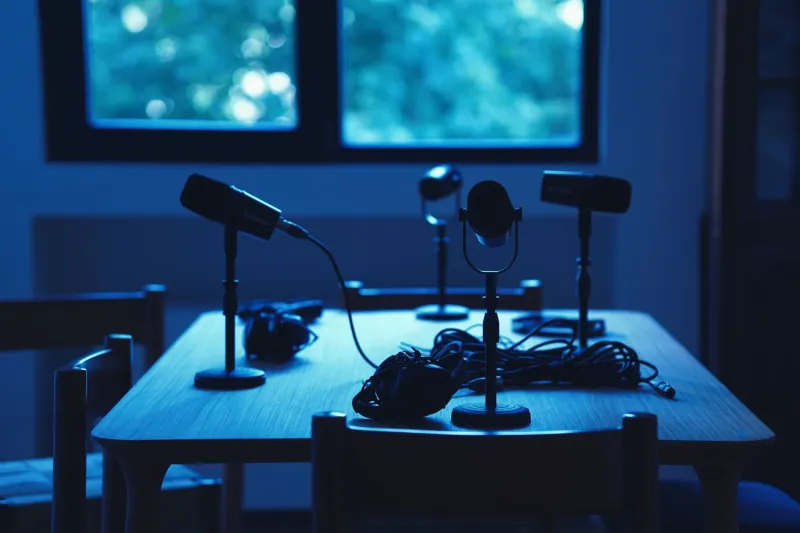
Somewhere right now, a person in their apartment is recording a deep-dive episode about a 1997 crossover event that most of the industry forgot existed. Their mic is decent, their editing is self-taught, and their audience — a few thousand loyal listeners who found them through a Reddit thread — hangs on every word. No publisher backing them. No marketing budget. No gatekeepers.
And they're doing just fine.
This is the part of the comic book world that doesn't always make the trade press, but it might be the most genuinely exciting thing happening in the medium right now. Across podcasts, YouTube channels, Discord servers, and crowdfunding platforms, a sprawling grassroots creator economy has taken root — one where passion and consistency matter more than industry connections.
The Podcast That Became a Community
Comic book podcasting isn't new. But the scale and sophistication of what's being built in that space has changed dramatically over the last five years. Shows that started as two friends rambling about Saga or Watchmen over bad audio have evolved into full editorial operations with Patreon subscribers, merchandise lines, and live event presences at conventions like C2E2 and NYCC.
What makes the best of these shows work isn't just knowledge — it's specificity. The podcasts that build real, devoted audiences tend to go narrow rather than broad. A show dedicated entirely to analyzing the history of X-Men publishing eras, or one that walks through every issue of a single writer's bibliography, finds an audience that general entertainment media can't serve. Those listeners don't just tune in; they evangelize.
"The thing I kept hearing from listeners early on was that they'd never found a place that talked about comics the way they thought about comics," says Marcus Webb, who co-hosts Sequential, a podcast focused on the craft of visual storytelling in comics. "They weren't looking for news. They were looking for conversation."
That sense of belonging is the engine underneath a lot of this. The podcast is often just the front door.
YouTube's Panel-by-Panel Revolution
If podcasting is the audio layer of this ecosystem, YouTube is where the visual analysis lives — and it's produced some genuinely remarkable content. Channels breaking down panel composition, color theory in superhero books, or the evolution of a single artist's style over decades have found audiences that would surprise most mainstream publishers.
The format suits the subject matter perfectly. Comics are a visual medium, and being able to zoom in on a specific page while explaining why a particular gutter between panels creates tension is something you simply can't do in text or audio alone. Creators like these have essentially invented a new form of comics criticism — one that's accessible, engaging, and often more insightful than anything appearing in traditional review outlets.
The reach can be significant. Several YouTube channels focused specifically on comic book storytelling craft have subscriber counts in the hundreds of thousands, built entirely through organic growth and algorithm luck. No publicist. No press junket. Just consistent uploads and genuine expertise.
Discord: Where the Real Community Lives
If you want to understand where the most active comic book conversation is happening in 2024, the answer is Discord. The platform has become the connective tissue of the indie comics community in particular, hosting servers that function as everything from casual fan hangouts to serious creative workshops.
Some of these servers have evolved into something more structured. Groups that started as discussion communities have pivoted to collective action — organizing group buys of indie titles to help creators hit sales milestones, crowdfunding original comic series from members who are themselves aspiring creators, or coordinating review campaigns to boost visibility for overlooked books.
One Discord server, Panels & Pages, began as a general comics discussion space and has since incubated three separate Kickstarter campaigns for original comics by community members, two of which fully funded within 72 hours. The server's moderators didn't set out to build a creative incubator. It just happened organically, because that's what the community needed.
Crowdfunding as Creative Independence
Kickstarter and Indiegogo have reshaped the economics of independent comics creation in ways that are still playing out. For creators who don't want to navigate the submission process at major publishers — or who've been through it and found it frustrating — crowdfunding offers a direct line to readers willing to put money behind a concept before a single page is printed.
The model has produced genuine success stories. Creators who built audiences through social media, podcasts, or convention appearances have translated that goodwill into funded projects that would never have survived traditional publishing gatekeeping. And because the money comes from readers rather than corporate advance budgets, the creative decisions stay with the creator.
It's not without challenges. Running a successful crowdfunding campaign is a significant amount of work that has nothing to do with making comics — marketing, fulfillment logistics, backer communication. Creators who underestimate that often struggle, even when their actual comic is excellent.
But for those who figure it out, the upside is real. A creator with 10,000 engaged followers and a compelling pitch can fund a project that gives them complete creative control and a direct relationship with their readership. That's a genuinely different kind of freedom than the traditional publishing path offers.
What the Industry Should Be Watching
Major publishers and streaming platforms would be smart to pay close attention to what's being built in these spaces — not to co-opt it, but to understand what it's revealing about reader appetite.
The audiences being cultivated by independent podcasters, YouTube creators, and Discord communities are telling the industry something important: readers want depth, specificity, and genuine creative risk. They want to feel like they're part of a conversation, not just a target demographic. They'll support creators directly when they feel that connection.
That's not a niche preference. That's a roadmap.
The grassroots comic book creator economy isn't waiting for permission or validation from the traditional industry machine. It's already here, already thriving, and already proving that the appetite for serious, passionate comic book content is bigger than the mainstream has been willing to bet on.
All it took was a decent mic and something real to say.