Pull List or Bust: The Single-Issue Revival That's Reshaping Comic Collecting Culture
Walk into any comic shop on a Wednesday morning and you'll notice something that would've seemed unlikely ten years ago. Mixed in with the longtime regulars flipping through new releases are younger fans — twentysomethings with pull lists on their phones, debating which ratio variant is worth the upcharge and whether they should bag-and-board their copy of the latest hot first issue. The trade paperback, long celebrated as the "smart" way to read comics, is getting passed over. The single issue is having a serious moment.
So what's driving this shift, and what does it actually mean for the health of the industry?
Wednesday Is a Religion Now
For decades, the weekly pull list was the backbone of direct market comic sales. Then the mid-2000s brought a wave of "wait for the trade" thinking — readers who'd been burned by delays, crossover bloat, and filler issues decided it made more sense to collect the whole story in one clean volume. It was practical. It made sense on a bookshelf. Publishers leaned into it, and for a while, the trade paperback looked like the future.
But something shifted. Part of it is social media. When a new issue drops and the internet is buzzing about that last-page reveal, waiting six to twelve months for the collected edition means sitting out the entire conversation. Comics have always been a communal experience, but platforms like Reddit, Twitter/X, and TikTok have made that community instantaneous. The single issue puts you in the room where it's happening. The trade paperback leaves you reading a recap of a party that ended months ago.
There's also the ritual element that's hard to overstate. Pulling a short stack of new books, heading to a coffee shop, reading them cover to cover — that's a weekly experience that no collected edition can replicate. Collectors talk about it the way people talk about going to a record store on release day. The object matters. The timing matters.
The Variant Cover Economy
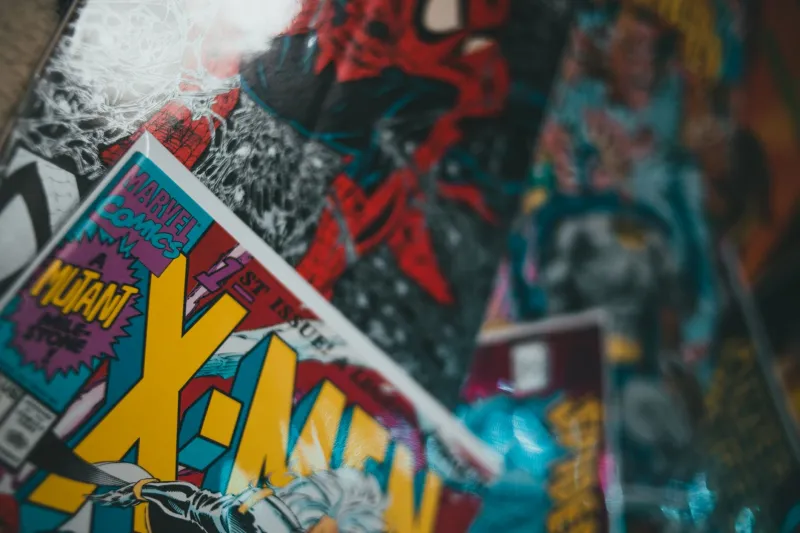
If the pull list ritual is the soul of the single-issue revival, variant covers are the gasoline on the fire. Publishers — Marvel and DC most visibly, but indie publishers too — have turned the variant into an art form and a business model simultaneously. A single issue might ship with a standard cover, a foil variant, a 1:25 retailer incentive, a 1:50, a virgin edition, and a convention exclusive. Collectors aren't just buying a comic anymore. They're hunting.
The psychology here is worth examining honestly. Chase variants tap into the same completionist instinct that drives sneaker culture, trading card collecting, and blind-box toys. There's genuine excitement in tracking down a low-print-run cover. There's community in the chase — forums dedicated to identifying print runs, Discord servers where members trade tips on which shops still have stock. For a lot of younger collectors, this gamified layer is a feature, not a bug.
But let's not pretend there aren't real concerns here. Ratio variants create artificial scarcity. A 1:100 variant tied to a first appearance can retail for hundreds of dollars before the issue is even a month old. Retailers have to order deep to unlock those incentive tiers, which means they're taking on financial risk. When a book doesn't perform as expected, that's real money sitting unsold in a back room. The speculator market that torched the industry in the early 1990s wasn't that long ago, and some of the current dynamics rhyme uncomfortably with that era.
Subscription Models and the New Direct Market
One of the quieter but genuinely interesting developments in single-issue collecting is the rise of subscription and membership models that have made the weekly habit more accessible. Services that ship directly to readers' doors have lowered the barrier for fans who don't live near a quality comic shop — which, outside of major metro areas, is a lot of people.
Digital first-issue programs and hybrid print-digital bundles have also introduced new readers who might've never stepped into a shop. Some of them are converting to physical collectors after starting digital. The single issue, it turns out, is a good gateway drug.
Independent publishers have been especially clever about this. Smaller series with passionate fanbases have used direct subscription models — essentially Kickstarter-adjacent campaigns or Substack-style ongoing subscriptions — to fund print runs and ship directly to readers. This cuts out several middlemen and builds a more intimate relationship between creator and collector. It's a model that would've been impossible twenty years ago and is now genuinely viable.
Bubble Watch: Are We Headed for a Crash?
Here's the uncomfortable question that anyone paying attention has to ask: is this sustainable?
The speculator bubble of the 1990s is the cautionary tale the industry keeps returning to. Publishers flooded the market with gimmick covers and "collectible" first issues, speculators bought in bulk expecting to flip them for profit, and when the bottom fell out, it took hundreds of comic shops with it. The industry spent the better part of a decade recovering.
The current variant market has some of those same fingerprints. Certain issues are being purchased primarily as investments rather than reading material. Grading services like CGC have seen explosive growth, which reflects a collector market increasingly focused on resale value over the actual content of the books. When the primary motivation for buying a comic is financial rather than creative, that's a signal worth taking seriously.
That said, there are meaningful differences between now and then. The current market is more fragmented and decentralized. Social media hype cycles move faster, which means corrections happen faster too. Publishers are also more cautious about flooding the market with cheap first issues designed purely to exploit speculators. And crucially, there's a genuine reading audience underneath the collector market — people who actually love the stories and characters — that provides a more stable foundation than the 90s boom had.
What the Single Issue Actually Offers
Stripped of the speculation and the variant hunting, the single issue offers something the trade paperback genuinely cannot: presence. Reading a story as it unfolds, month by month, with all the uncertainty of not knowing what comes next, is a fundamentally different experience than reading a completed arc in one sitting. Cliffhangers land differently. Character deaths hit harder. The community conversation that builds around an ongoing series creates a shared cultural experience.
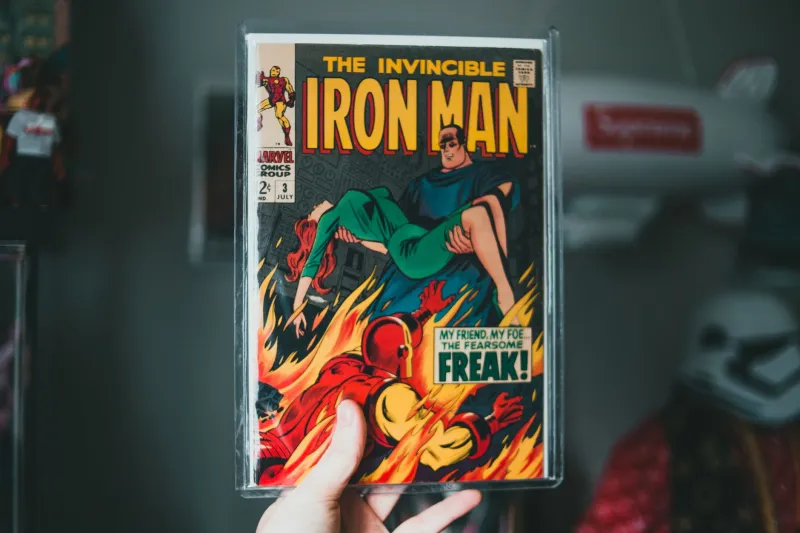
For collectors who love comics as an art form and as a physical medium, the single issue is the thing itself — not a repackaging of it. The cover is designed for that issue. The letters column (where it still exists) reflects that specific moment in time. The ads, the paper stock, the staples — it's an artifact as much as it's a story.
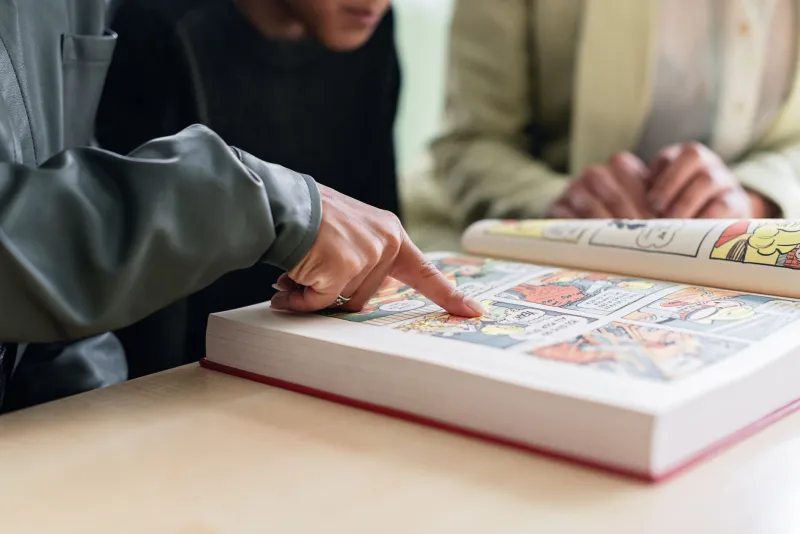
The trade paperback isn't going anywhere. It remains the most practical format for new readers, library collections, and people who just want to read a story without worrying about condition or print runs. But the single issue revival is a reminder that practicality isn't the only thing that matters to people who love comics. Sometimes the ritual, the hunt, and the weekly anticipation are the whole point.