Chase Covers Are Eating Comics Alive: The Variant Problem Nobody Wants to Talk About
There was a time when spotting a variant cover felt like a small victory. You'd walk into your local comic shop, flip through the new releases, and there it was — a gorgeous alternate cover by a fan-favorite artist, limited to a fraction of the print run. It felt special. Earned, even.
That time feels like a long time ago.
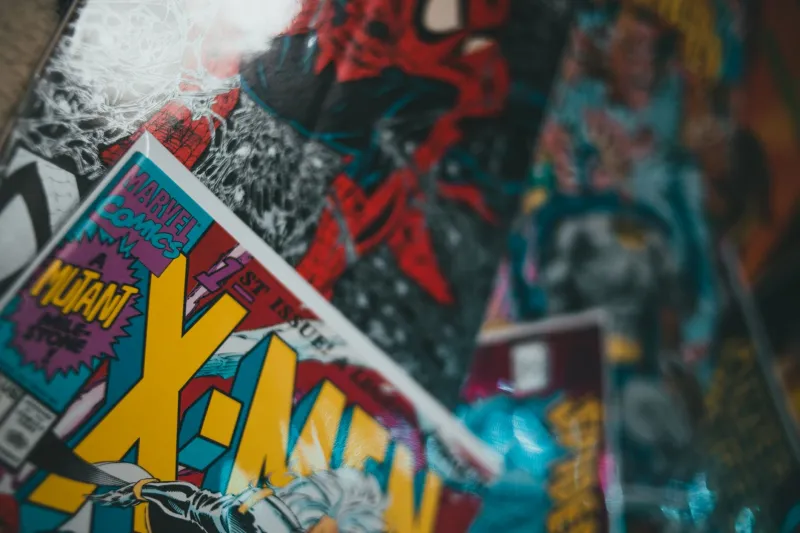
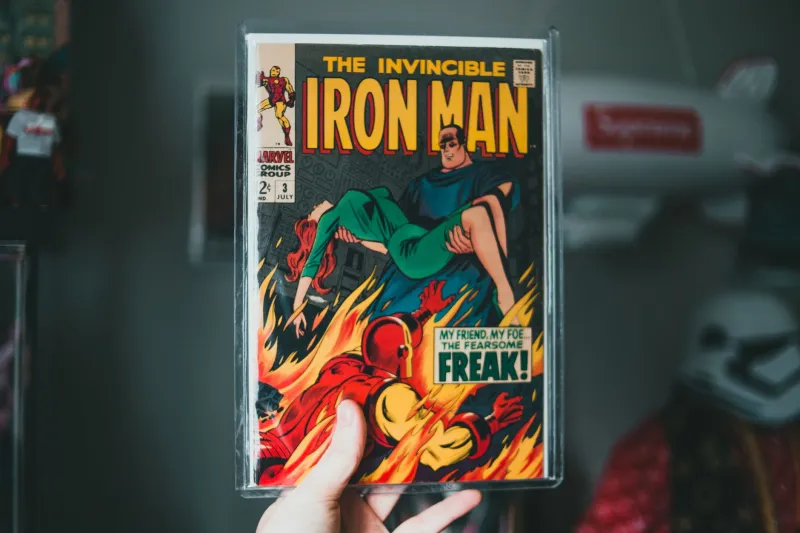
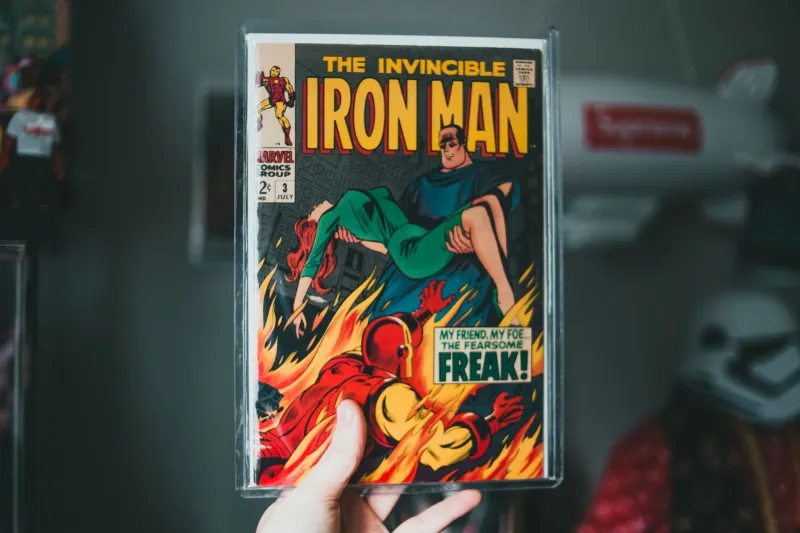
Today, a single issue of a major Marvel or DC title can ship with anywhere from three to a dozen different covers. Some are retailer exclusives. Some are 1-in-25 incentive variants, meaning your shop has to order 25 copies of the standard issue just to unlock one. Others are convention exclusives, store-specific commissions, or "virgin" editions — the same image, just without trade dress. And all of them cost more, sometimes significantly more, than the book itself is worth as a story.
The variant cover market has quietly become one of the most polarizing and financially destabilizing forces in American comics, and the industry's reluctance to seriously reckon with it is starting to look a lot like denial.
From Novelty to Necessity: A Quick History
Variant covers aren't new. The speculator boom of the early '90s gave us chromium covers, polybagged editions, and multiple first-print variants that convinced a generation of collectors that comics were investment vehicles. That bubble burst spectacularly, nearly taking the industry with it.
But publishers learned the wrong lesson. Instead of abandoning the chase mentality, they refined it. By the mid-2000s, incentive variants had become a standard publisher tool — a way to inflate order numbers by tying desirable covers to bulk purchasing thresholds. Retailers had to order more copies to unlock the good stuff, which looked great on sales charts and felt manageable when the market was growing.
The problem is the market stopped growing at the same pace the variants kept multiplying.
The Economics Are Brutal for Everyone Involved
Here's how the math actually works at the shop level: a retailer wants to stock a 1-in-25 variant. They have to order 25 copies of the standard cover to qualify. If their typical sell-through on that title is eight copies, they're now sitting on seventeen extra issues that may never move. They've tied up cash in inventory that collects dust in a longbox, all for one collectible cover they hope a speculator will pay a premium for.
For smaller shops — and most comic shops in America are small, independent businesses running on razor-thin margins — this is a genuinely dangerous game. The incentive variant system essentially forces retailers to gamble on speculative demand just to stay competitive with the larger stores that can absorb the risk.
And casual readers? They're the ones who get squeezed hardest. Walk into a shop as a newer fan and try to figure out which of the six covers of a debut issue is the "right" one to buy. It's overwhelming. The implicit message the hobby sends to newcomers is that they're already behind, already missing something, already not doing it right. That's a terrible welcome mat.
The Speculator Shadow Hanging Over Every New Release
Social media has supercharged the speculator culture in ways that make the '90s boom look quaint. The moment a variant is announced with a limited print run or a high-profile artist attached, flippers descend. eBay listings go up before the issue even ships. Facebook groups and Discord servers light up with price speculation. The secondary market price for a hot variant can hit triple digits within hours of a book hitting shelves.
For collectors who actually love the stories, this is exhausting. The hobby increasingly rewards people who treat comics as commodities over people who read them. And when a variant's perceived investment value drives purchasing decisions more than the quality of the story inside, something has gone seriously sideways.
There's also the psychological toll. FOMO — the fear of missing out — is a real and calculated part of how variants are marketed. Limited print runs, timed exclusives, and "final order cutoff" warnings are all designed to manufacture urgency. It works, but it burns people out. Fans who feel manipulated eventually stop showing up.
Are Publishers Listening?
The honest answer is: not really, or at least not enough. Variants remain one of the easiest levers publishers can pull to juice order numbers without doing the harder work of building readership through compelling storytelling and accessible entry points.
There have been occasional gestures toward restraint. Some publishers have experimented with caps on the number of variants per issue, and a handful of creators have publicly pushed back against the practice. But as long as the short-term sales numbers look good, the incentive to change is limited.
The long-term picture is murkier. An industry that treats its most accessible product — the single issue — as a collectible obstacle course isn't building the next generation of readers. It's farming the existing base until it burns out.
What Could Actually Change Things
Some retailers and fans have started pushing for real reform: hard caps on variants per issue, transparent print run disclosures, and a shift away from incentive thresholds that punish smaller shops. A few independent publishers have already moved in this direction, keeping variants minimal and treating them as genuine artistic additions rather than sales manipulation tools.
Readers can push back too — with their wallets and their voices. Choosing to buy trades over chase covers, supporting shops that curate rather than over-order, and being vocal in fan communities about the cost of speculator culture are all small but real forms of pressure.
The variant cover isn't inherently evil. A well-chosen alternate cover by a talented artist can be a genuinely beautiful thing. But when the chase becomes the point — when the cover matters more than what's inside it — comics lose something essential about what made them worth collecting in the first place.
The medium deserves better than being eaten alive by its own collectibility.