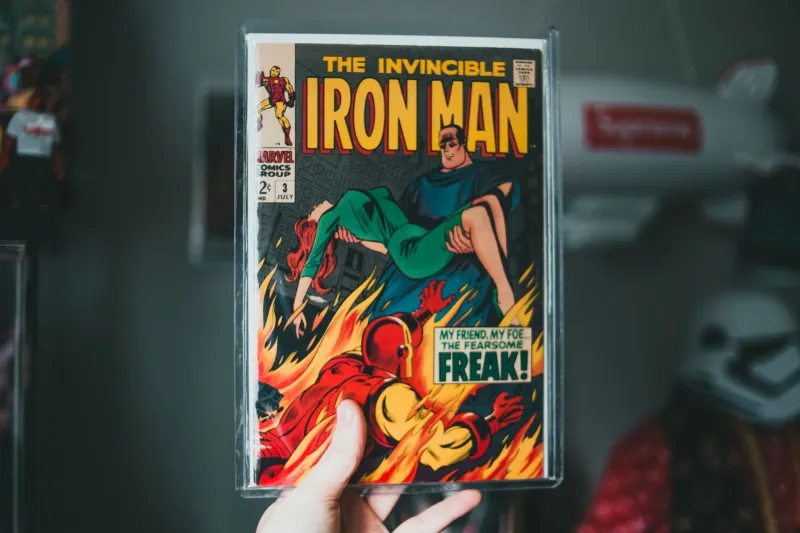
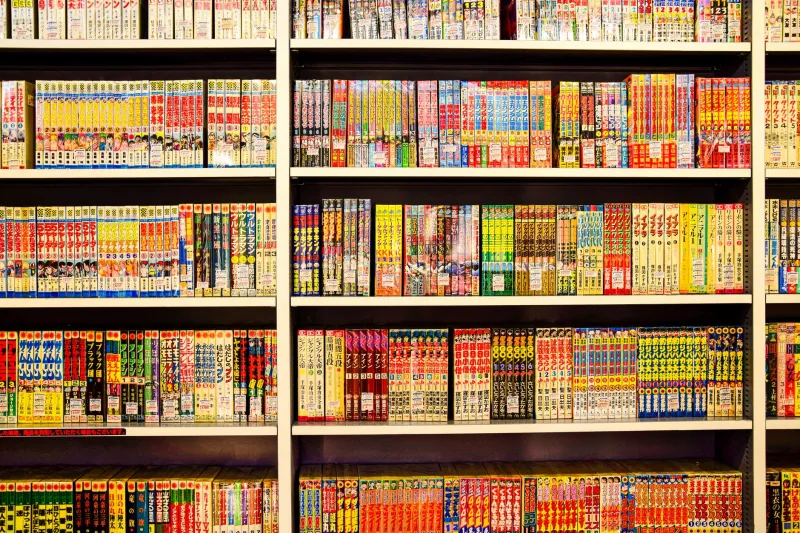
From Spinner Rack to Sacred Space: The Quiet Revolution of the American Comic Shop
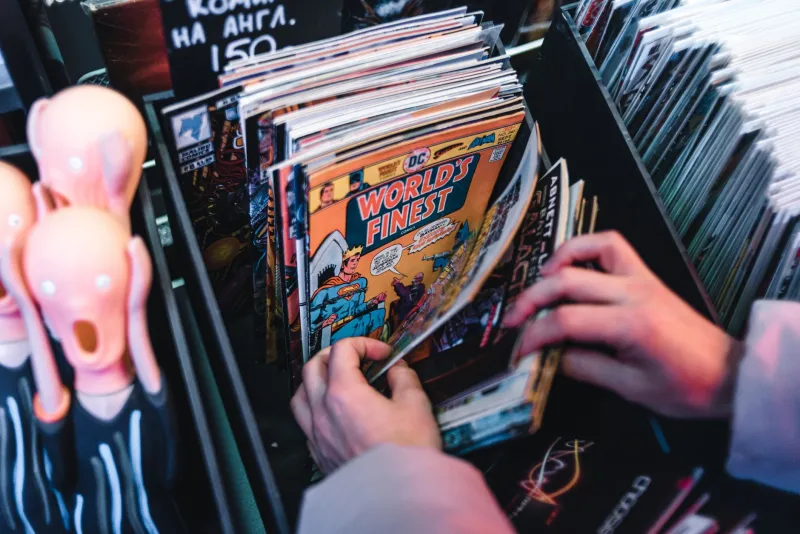
There's a version of this story that starts at a 7-Eleven. Rack of comics near the register, priced somewhere between a candy bar and a soda, grabbed on the way out by a kid who wasn't even sure what they were picking up. That world — casual, accidental, gloriously unserious — is basically gone now. What replaced it is something more intentional, more communal, and depending on who you ask, either more wonderful or more exclusionary than anything that came before.
The American comic book shop has undergone one of retail's quieter transformations over the last three decades, and most people outside the hobby haven't noticed. But for the readers who live and breathe this medium, the shift from newsstand impulse buy to curated community hub has reshaped not just how comics are sold, but who feels welcome buying them.
When Comics Were Everywhere (And Nobody Cared)
Through most of the 20th century, comics were distributed the same way newspapers and magazines were — through a national network of wholesalers who supplied drugstores, supermarkets, bus stations, and yes, those spinning wire racks at convenience stores. You didn't have to seek comics out. They found you.
That accessibility had a democratizing effect that's easy to underestimate now. Kids without transportation, without money for specialty retail, without any knowledge of publishers or continuity could stumble into a story mid-run and get hooked. The barrier to entry was essentially zero. The cover price was low, the availability was universal, and nobody was judging your reading choices at checkout.
The direct market — the system where shops order non-returnable copies directly from distributors — started gaining serious ground in the late '70s and exploded through the '80s. It gave publishers better margins and gave stores exclusive access to certain titles, but it also began concentrating the retail experience in dedicated shops rather than spreading it across general retail. By the time the newsstand distribution network collapsed in the '90s, the comic shop had become the primary — and in most markets, the only — place to reliably buy new comics.
The Shops That Survived Had to Become Something Else
Here's what doesn't get said enough: the comic book retail apocalypse already happened. The speculator bubble burst in the mid-'90s. Hundreds of shops that had opened during the boom years closed practically overnight. What remained were the stores run by people who genuinely loved the medium and had figured out how to build something beyond pure transaction.
Talk to the owners of shops that have been around for 20-plus years and you'll hear variations on the same theme. "We stopped being a store and started being a place," says one Midwestern retailer who's been running his shop since 1998. "People come in for the pull list, sure, but they stay for the conversation. We host game nights, we do creator signings, we've got a reading group that's been meeting every other Tuesday for eleven years."
That shift toward community programming wasn't just a nice add-on. For many shops, it became the actual product. The comics are almost secondary to the experience of being a regular, of having your preferences known, of walking into a place where the staff remembers that you dropped your Captain America pull when the creative team changed and have been meaning to ask if you want back in.
The Gatekeeping Question Nobody Wants to Sit With
Here's the uncomfortable flip side of all that warmth: when a retail space becomes a community, it also becomes a space with insiders and outsiders. And the history of comic shops in America includes a pretty well-documented pattern of making certain people — women, people of color, younger readers, casual browsers — feel like they don't quite belong.
The "comic shop as boys' club" stereotype didn't come from nowhere. It came from real experiences that real people had, and plenty of readers who grew up loving comics never set foot in a shop because the social dynamics felt too hostile or too weird. The newsstand had no such dynamic. Nobody at the grocery store checkout was going to quiz you on your knowledge of X-Men continuity.
The good news is that the shops actively thriving right now tend to be the ones that recognized this problem and did something about it. Diverse staffing, intentional outreach to underrepresented reader communities, welcoming signage, events specifically designed for new readers — these aren't just ethical choices. They're business decisions that the data is increasingly backing up. Shops that broadened their customer base survived. Shops that kept catering exclusively to the longtime hardcore collector crowd often didn't.
What's Actually Gained in the Trade
For all the valid criticism of what was lost when comics left general retail, it's worth sitting with what the surviving shop model genuinely offers. The knowledgeable staff recommendation — a real human being who read the thing and knows your taste — is something no algorithm has fully replicated. The ability to hold a physical issue, flip through it, and decide on the spot is still something digital retail can't touch.
And the community aspect, for readers who find their people, is legitimately irreplaceable. There are friendships built in comic shops that have lasted decades. There are readers who credit their local shop with getting them through genuinely hard periods in their lives. That's not nothing. That's actually a lot.
"My shop is the only place I go where I don't have to explain why any of this matters," one longtime customer in the Pacific Northwest told us. "Everyone there already gets it. That's rarer than people think."
Where Does the Shop Go From Here?
The shops that are going to make it through the next decade are already thinking about themselves differently. They're event spaces. They're content creators. They're community organizations that happen to sell comics. Some are leaning into the collector market with graded books and variant hunting. Others are doubling down on accessibility, running programs for kids and first-time readers, partnering with schools and libraries.
What they're probably not going to survive as is the simple storefront that just stocks product and waits for customers. That version of the shop is gone, and the economic pressure of digital distribution, rising rent, and shifting reader habits means it's not coming back.
The spinner rack at the 7-Eleven isn't walking through that door. But what's taken its place — imperfect, sometimes frustrating, occasionally transcendent — might actually be something more durable. The shops that treated themselves as temples to the medium, rather than just storefronts moving units, are the ones still standing. Whether that's a victory or a warning probably depends on which side of the counter you're on.