The Best Comic Shop in Town Has a Card Catalog
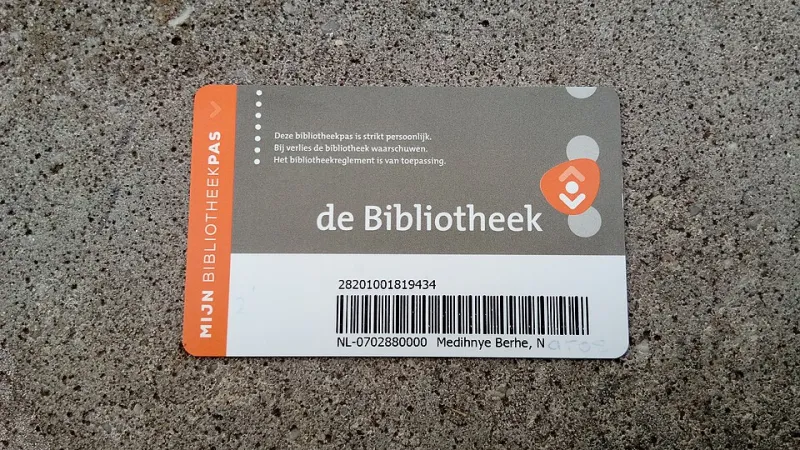
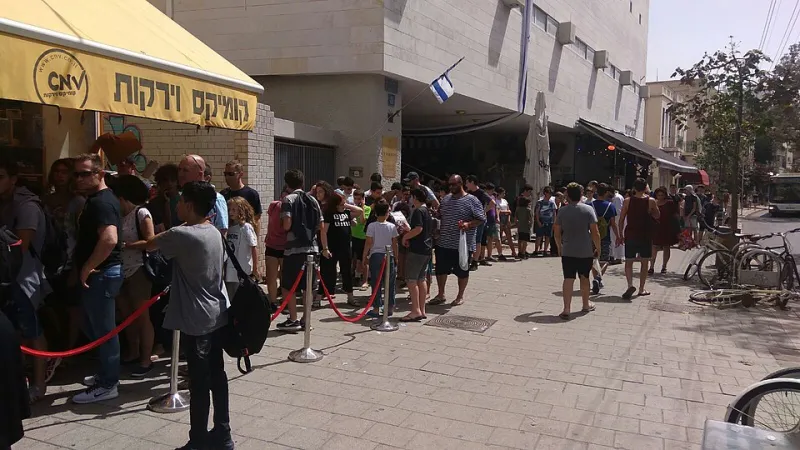
Photo: Donald Trung Quoc Don (Chữ Hán: 徵國單) - Wikimedia Commons - © CC BY-SA 4.0 International.(Want to use this image?)Original publication 📤: --Donald Trung 『徵國單』 (No Fake News 💬) (WikiProject Numismatics 💴) (Articles 📚) 23:31, 6 July 2019 (UTC), CC BY-
If your pull list has turned into a source of low-grade anxiety, there is a card in your wallet that can help. It is not a credit card. It is a library card. And in 2026, it might be the best comic subscription you are not using.
This is not a sentimental plea about the civic value of libraries, although that is real. This is a practical argument. Public libraries in the US have spent the last several years building digital comics collections that rival a decent comic shop, and most of them are free with a card. If you are priced out of monthly singles, oversized hardcovers, or just curious about a series you do not want to gamble on, the library is the on-ramp you have been ignoring.
The Quiet Expansion of Digital Comics at Libraries
The big names here are Hoopla and Comics Plus. Hoopla is the one most people have heard of. It works with your library card, lets you borrow a certain number of titles per month, and has a comics catalog that stretches from major publishers to a deep bench of indie and small-press books. Comics Plus, powered by LibraryPass, is similar in spirit but often unlimited depending on your library system. Libby is another app worth checking, mostly for magazines and whatever comics your library has added to its OverDrive collection.
Availability varies. That is the catch. Not every library subscribes to every service. Not every service carries every publisher. But the direction is clear: libraries are buying comics. They are doing it because people are borrowing them. That is you. That is us.
How to Actually Use It
Step one: get a library card. If you do not have one, walk into your local branch with an ID and a piece of mail. Most systems will issue a card in minutes. Step two: ask a librarian which digital services your card unlocks. They will know. Step three: download the apps and sign in with your card number. Step four: start borrowing.
The limits matter. Hoopla typically caps monthly borrows, so you have to be a little strategic. Comics Plus may offer unlimited access, but the selection can be narrower. Check what your library actually offers before you assume anything. If a title is not available, place a hold. If it is a physical trade, request it through interlibrary loan. Librarians are extremely good at finding things.
The Price Problem Libraries Solve
A single issue costs around five dollars. A trade paperback is twenty. An omnibus can run well over a hundred. For a reader who wants to keep up with three or four series, that adds up fast. Libraries let you sample before you buy. They let you read the first volume of a series you are curious about without committing to the whole shelf. They let you try a publisher you have never heard of because the only cost is a borrow.
This is not piracy. Libraries license the digital content they offer. When you borrow a comic through Hoopla or Comics Plus, the publisher and creators are getting paid through that licensing system. You are supporting the ecosystem, just not at the cash register.
What Libraries Do Not Do
A library is not a comic shop. It does not have a back issue bin. It does not have variant covers. It does not have the smell of newsprint and the guy behind the counter who knows exactly what you should read next. It will not let you flip through a book before you buy it, because you are not buying it.
What it does have is breadth. Physical trade shelves. Graphic novel sections that have gotten genuinely good. Book clubs. Staff picks. A quiet place to read. And a digital catalog that never closes. The library is not replacing the comic shop. It is complementing it for the readers who need a cheaper way in.
A Practical Starter Plan
Get the card. Download Hoopla. Search for a series you have been meaning to try. Borrow the first volume. If you like it, buy the next one from your local shop. If you do not, return it and try something else. That is the whole system.
Then check Comics Plus. Then check Libby. Then walk into the physical library and look at the graphic novel shelf. Ask the librarian what they are reading. You might be surprised by how much they know.
Your library card is not a consolation prize. It is a subscription to one of the largest comic collections in your city, and you already paid for it with your taxes. Use it.