Fill-In Issues Aren't the Enemy—They're the Reset Button Comics Needs
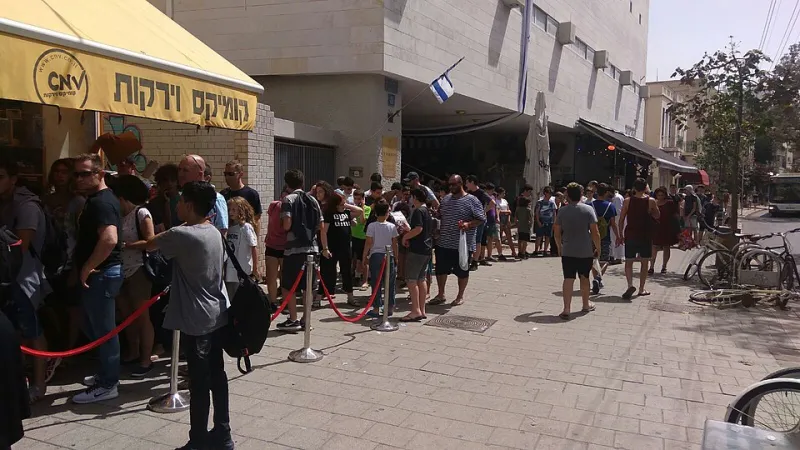
Photo: Kgbo, CC BY-SA 4.0, via Wikimedia Commons
Say the words fill-in issue in a comic shop and watch the room deflate. It is the comic that shows up when the regular team needs a break. It is the one with the guest artist and the standalone story that does not tie into the big event. It is the one fans skip, retailers under-order, and publishers quietly hope everyone forgets.
That reputation is unfair. The fill-in issue is not the enemy of good comics. It is the reset button. And comics needs more of them.
What a Fill-In Issue Really Is
A fill-in is a comic produced by a guest creative team to keep a series on schedule when the regular team cannot make a deadline. It is usually a done-in-one story. It rarely moves the main plot forward in a major way. It is, in the most literal sense, a substitute.
But that is only half the story. A good fill-in is also a short story. It is a chance for a different writer and artist to play in a sandbox they did not build. It is a palate cleanser between arcs. It is proof that a character can survive without the usual team holding their hand.
The Schedule Saver
Monthly comics are brutal. Twenty pages of art takes time. Life happens. Artists get sick. Writers hit a wall. If a series misses a month, the whole line feels it. Readers drift. Retailers adjust orders. The momentum that a monthly comic depends on evaporates.
A fill-in keeps the book on the shelf. It buys the main team time to get ahead. It tells readers that the series is still alive, even if the regular artist is not on this particular issue. That is not glamorous work, but it is necessary work. A fill-in is a survival tool.
A Standalone Sandbox
Here is where fill-ins get interesting. Because they are not usually tied to the main plot, they can be weird. A comedy issue. A horror riff. A silent story. A character study about the sidekick nobody thinks about. A day-in-the-life issue where nothing explodes and nobody punches anyone.
Some of the best single issues in comics history are essentially fill-ins. They are the ones that step outside the ongoing narrative and just tell a good story. Television figured this out years ago. Bottle episodes are a staple of prestige TV. Comics can learn the same lesson. Not every issue has to be a chapter in the grand saga. Sometimes it can just be a short story.
The Stigma Problem
Fans treat fill-ins like they are not canon. They treat them like they are skippable. That is the wrong lens. A fill-in is not a replacement for the main story. It is a bonus track. It is a chance to see a different take on a character you already love. If it is good, it adds texture. If it is great, it becomes a fan favorite.
The problem is that publishers often spring fill-ins on readers without warning. A guest team shows up, the story feels disconnected, and readers feel tricked. That is a marketing failure, not a format failure. Announce the fill-in. Put a strong creator on it. Make it feel like a bonus, not a bait-and-switch.
How to Do a Fill-In Right
First, hire someone good. A fill-in is not the place to dump a rookie with no oversight. It is a showcase. Second, make it standalone. Do not try to advance three subplots in twenty pages. Tell one complete story. Third, keep the price the same. Do not charge extra for a guest team. Fourth, use it to spotlight new talent. A fill-in can be a audition. Treat it like one.
And readers: give them a shot. Next time you see a fill-in, read it. It might be the best issue of the arc. It might be the one you remember six months later. It might be the reason the main series is still shipping on time.
The Case for More of Them
Schedules are slipping. Events are bloated. Monthly comics are fighting for every reader they can get. Fill-ins are not a sign that something has gone wrong. They are a sign that a publisher is trying to keep the train on the tracks.
More fill-ins means fewer delays. More standalone stories. More chances for new creators to show what they can do. More issues that feel like complete experiences instead of fragments of a trade paperback that has not been printed yet.
The fill-in is not the enemy. It is the reset button. And comics could use a reset.