Hardcover or Bust: How the Omnibus Obsession Is Slowly Suffocating Serialized Comics

There's something undeniably satisfying about cracking open a thick, spine-cracking omnibus of a beloved comic run. The paper smells right, the pages are oversized, the bonus content feels like a gift. Publishers know this. Retailers know this. And that's exactly the problem.
Over the past decade, the comic book industry — from the Big Two all the way down to mid-tier publishers — has quietly restructured itself around the collected edition as the real product. Monthly singles? Those are just the scaffolding now. The building is the hardcover. And while that might make sense from a pure revenue standpoint, it's doing something genuinely damaging to the culture and craft of comics that doesn't get talked about nearly enough.
The Economics Behind the Shift
Let's be real about why this is happening. Bookstore distribution — through channels like Penguin Random House — has opened up an entirely different consumer base for comics. Graphic novels and hardcovers sit comfortably in Barnes & Noble. They show up on Amazon bestseller lists. They get stocked in libraries. Monthly floppies, on the other hand, live and die on the direct market, which has been contracting for years.
For publishers, the math isn't complicated. A $50 hardcover collecting six issues generates more revenue per transaction than six individual $4.99 singles, especially when you factor in returnability policies and the logistical headache of distributing periodicals nationwide. Throw in the prestige factor — embossed covers, creator commentary, behind-the-scenes sketches — and suddenly the collected edition isn't just more profitable, it's aspirational.
But here's what gets lost in that calculation: the monthly comic isn't just a delivery mechanism. It's a cultural event.
What Serialization Actually Does
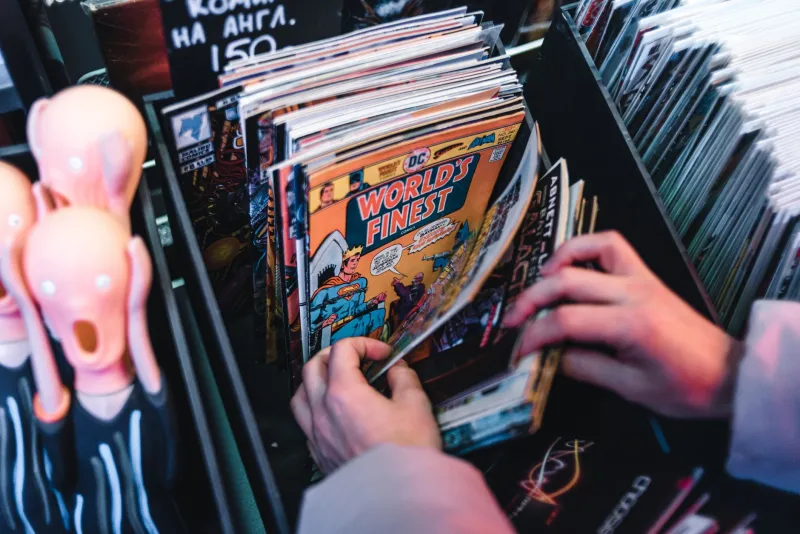
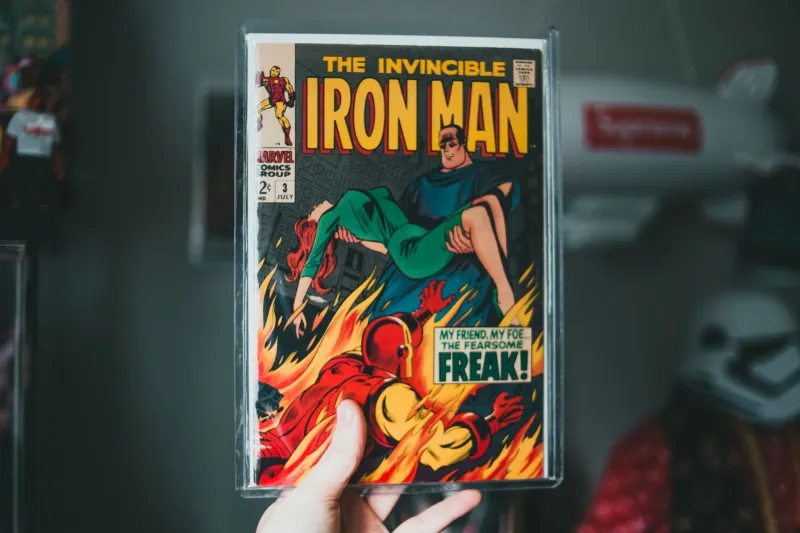
Comics built their identity on the serialized format. The cliffhanger at the end of issue #7. The letters column where fans debated what was going to happen next. The genuine uncertainty of not knowing whether a storyline would stick the landing. These weren't bugs in the system — they were the whole point.
When you write for a collected edition, consciously or not, you write differently. Stories get decompressed to fill a trade-friendly arc. Individual issue endings lose their urgency because the writer knows most readers will experience them as chapter breaks, not monthly gut-punches. The rhythm changes. The stakes feel different. You can feel it in the reading experience, even if you can't always name what's off.
Several indie creators have been candid about this pressure in interviews and convention panels. The unspoken expectation from publishers is increasingly to write for the collection — to think in five- or six-issue arcs that package cleanly. That's not inherently bad storytelling, but it does sand down some of the wild, issue-to-issue energy that made runs like Saga of the Swamp Thing or Transmetropolitan feel alive in real time.
The Two-Tier Fandom Nobody Wants to Admit Exists
Here's the class dynamic that the industry really doesn't want to examine too closely. Waiting for the hardcover isn't just a reading preference — for a lot of fans, it's a financial necessity. A $50 omnibus, released once or twice a year, is a manageable purchase. Keeping up with even three or four ongoing series at $4-5 per issue per month adds up to hundreds of dollars annually.
What this creates is a fandom split into two distinct tiers. There are the monthly readers — the ones who sustain the direct market, keep comic shops viable, and experience stories as they unfold. And then there are the collected-edition readers, who engage with the same material months or years later, often at a lower per-issue cost, without any of the communal anticipation that makes following an ongoing series genuinely fun.
The problem is that the second group increasingly sets the cultural agenda. When a series blows up on social media or gets optioned for a streaming adaptation, it's often because a wave of collected-edition readers discovered it all at once and made noise simultaneously. Monthly readers, who were there from the start, get quietly written out of the story of how that series "made it."
The Long-Game Problem
Here's the irony that should worry publishers most: the strategy that looks smart in the short term may be actively undermining long-term industry health.
New readers — the ones publishers desperately need to recruit — are being handed a format that doesn't teach them how to follow an ongoing series. They read an omnibus, love it, and then... wait. Wait for the next collection. They never develop the habit of walking into a comic shop every Wednesday, never build a pull list, never become the kind of dedicated monthly reader who sustains the industry's backbone.
Comic shops, meanwhile, are caught in a brutal squeeze. They depend on monthly sales to keep the lights on, but more and more customers are telling them to hold off on subscriptions because they're "waiting for the trade." The shops that survive are increasingly becoming specialty boutiques rather than community hubs — great for collectors, lousy for casual discovery.
Is There a Smarter Way to Do This?
Some publishers are experimenting with models that try to have it both ways. Day-and-date digital releases, subscription-based apps like Marvel Unlimited and DC Universe Infinite, and shorter serialized runs designed to collect into a single volume quickly are all attempts to bridge the gap. None of them have fully solved the problem, but they at least acknowledge that it exists.
The most promising approach might actually be the one indie publishers have been quietly practicing for years: treating the monthly issue as a genuine standalone experience worth the price of admission, not just a placeholder for the eventual collection. When an issue feels complete — when it has its own emotional arc, its own pacing, its own reason to exist — readers feel that. They come back for it.
The hardcover isn't the enemy. A beautifully packaged omnibus of a great run is one of the genuine pleasures of being a comic fan. But when the industry starts reverse-engineering its storytelling to serve the collected edition first and the monthly reader second, something real gets lost. The serialized comic — messy, imperfect, urgent, and alive — is worth fighting for. The question is whether enough people in the industry still believe that to actually do something about it.
Because right now, the answer isn't obvious.